
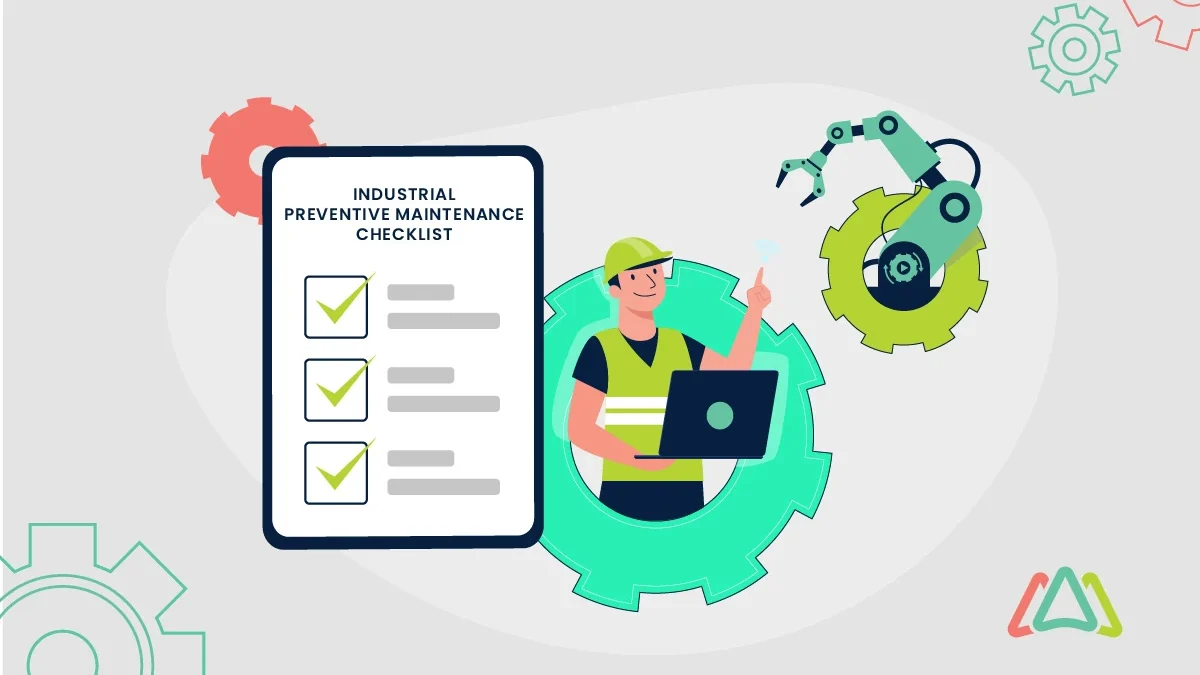

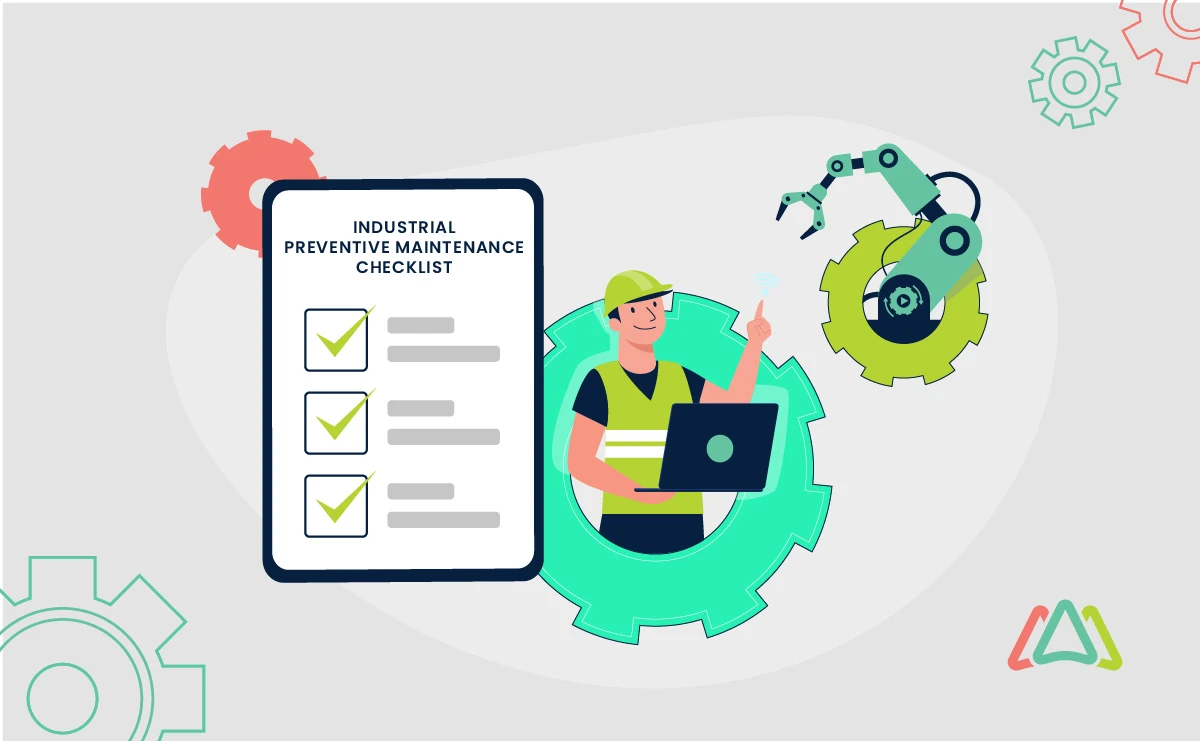
Industrial business activations, including facility expansions, equipment installations, production launches, and process improvements, require careful coordination to achieve successful results. Operational friction can arise from poor planning, communication gaps, equipment failures, or inefficient workflows, leading to unnecessary delays and increased costs. Understanding the key considerations before starting an activation helps businesses improve efficiency, maintain productivity, and achieve project objectives with fewer disruptions.
A practical approach to Keeping Industrial Brand Activations Insights is to connect strategic planning with day-to-day operational readiness. Businesses should assess timelines, equipment requirements, workforce capabilities, and communication channels before implementation to reduce the risk of disruptions. By aligning teams around clear objectives and preparing for potential challenges in advance, organizations can keep industrial activations moving smoothly while maintaining productivity, quality, and operational consistency.
Develop a Detailed Activation Plan
Every successful activation begins with a well-structured plan. Defining project goals, assigning responsibilities, establishing realistic schedules, and identifying resource requirements create a clear roadmap for the entire team.
A comprehensive plan also helps identify potential risks early, allowing businesses to prepare effective solutions before work begins.
Coordinate Team Communication
Clear communication is essential throughout every phase of an activation. Employees, supervisors, and project managers should have access to accurate information regarding timelines, responsibilities, and operational updates.
Effective communication practices include:
- Holding regular progress meetings
- Sharing project updates promptly
- Clarifying team responsibilities
- Reporting operational issues quickly
Strong communication reduces misunderstandings and supports better coordination.
Verify Equipment Readiness
Industrial equipment should be inspected and tested before activation begins. Reliable machinery helps prevent unexpected breakdowns that could interrupt production or delay important milestones.
Routine maintenance and equipment testing contribute to smoother operations while reducing costly downtime.
Optimize Workflow Processes
Efficient workflows allow tasks to be completed without unnecessary interruptions. Reviewing operational procedures before implementation helps identify bottlenecks and improve productivity.
Standardized processes also make it easier for employees to complete their responsibilities consistently and accurately.
Prepare the Workforce
Employees play an important role in successful activations. Providing training on equipment operation, safety procedures, and project expectations helps improve confidence and operational performance.
Well-prepared teams are better equipped to respond to changing conditions while maintaining productivity.
Monitor Project Performance
Regular performance monitoring helps businesses identify issues early and make timely adjustments. Tracking schedules, equipment efficiency, resource availability, and work quality provides valuable information throughout the activation process.
Continuous monitoring supports better decision-making and helps keep projects on schedule.
Encourage Cross-Functional Collaboration
Industrial activations often involve several departments working toward the same objective. Collaboration between operations, engineering, maintenance, procurement, and management improves coordination and allows challenges to be resolved more efficiently.
Sharing information across teams also helps prevent unnecessary delays and duplicated effort.
Evaluate Results for Future Improvement
Reviewing completed activations helps businesses strengthen future projects. Assessing performance, gathering employee feedback, and identifying opportunities for improvement support continuous operational development.
Learning from previous experiences enables organizations to refine their planning and improve long-term efficiency.
Reducing operational friction during industrial business activations requires careful planning, effective communication, dependable equipment, efficient workflows, and well-prepared employees. Continuous performance monitoring, strong collaboration, and regular project evaluations further improve operational reliability. By focusing on these key considerations, businesses can complete activations more efficiently, minimize disruptions, and build stronger operational processes that support sustainable growth and long-term success.
