
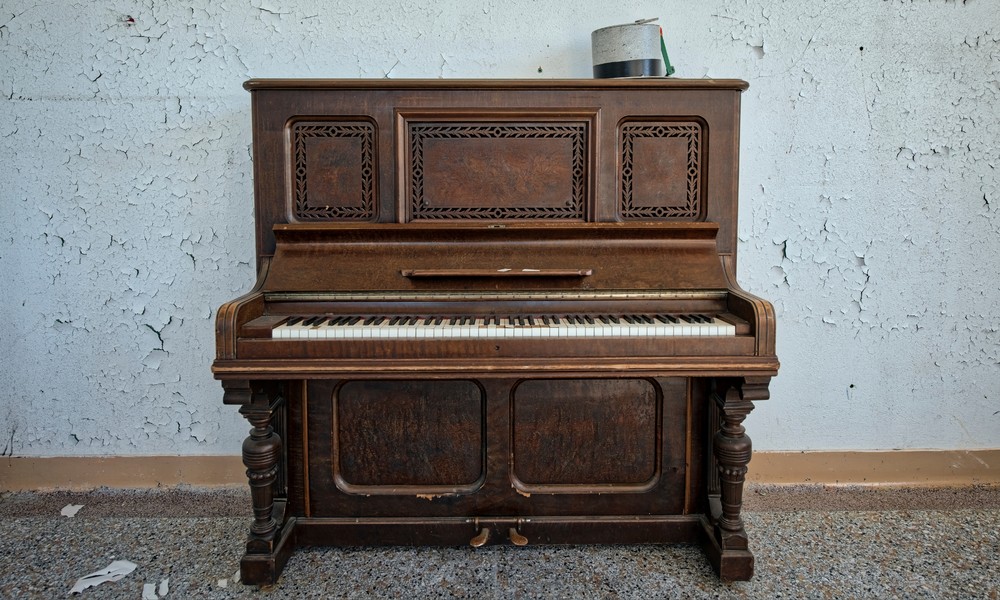

Buying a used piano is a fantastic way to bring the joy of music into your home without the steep price tag of a brand-new instrument. Whether you are browsing online marketplaces, visiting garage sales, or looking at a listing from a neighbor, a secondhand piano can offer incredible value. However, pianos are highly complex machines made of thousands of moving wood, felt, metal, and leather parts under immense structural tension.
What looks like a beautiful piece of furniture on the outside could be an unplayable money pit on the inside. Before you hand over any cash or hire a moving truck, you need to know exactly what to look for. Here are five major red flags to watch for when buying a used piano.
1. A Cracked Soundboard or Bridge
The soundboard is the large wooden board situated behind the strings on an upright piano, or underneath them on a grand piano. It acts as the amplifier for the instrument; when a string vibrates, the soundboard resonates to project the music.
Get a flashlight and look closely at the back or bottom of the piano. If you notice large, visible cracks running through the wood, consider it a massive red flag. While tiny hairline fractures in the finish might not ruin the sound, deep structural cracks can cause a permanent, annoying buzzing or rattling noise whenever certain notes are played. Repairing or replacing a soundboard is one of the most expensive procedures in piano restoration, often costing more than the used piano itself is worth.
2. Loose Tuning Pins and a Drastically Out-of-Tune Instrument
It is completely normal for a secondhand piano to be slightly out of tune, especially if it hasn’t been played recently or has been moved. However, if the piano sounds completely chaotic, or if individual notes sound severely flat, it could indicate a fatal flaw: loose tuning pins.
Piano strings are wrapped around metal tuning pins driven into a thick wooden block called the pinblock. Over decades, or due to severe humidity changes, the wood of the pinblock can dry out, crack, and lose its grip on the pins. When this happens, the pins slip under the immense tension of the strings, and the piano will not hold a tune-sometimes slipping out of pitch just minutes after a technician leaves. Checking for piano care near me to consult a local technician for a quick pin-tightness test before purchasing can save you from buying an untunable instrument.
3. Sluggish, Sticking, or Unresponsive Keys
Sit down at the bench and play every single key from the lowest bass note to the highest treble note. Pay close attention to how the keys feel and how they return to their original position.
Are there keys that sink down and get stuck? Do some notes feel completely “mushy” or require extra force to produce a sound? Sticking keys can sometimes be a simple fix, like a coin dropped between the keys or a swollen key slip. However, it can also point to deeper issues within the piano’s “action”-the intricate internal skeleton of hammers, levers, and dampers. If the internal felts have rotted, the wood has warped, or the center pins have rusted, the entire action may need a costly overhaul.
4. Worn, Grooved, or Missing Action Hammers
Open the top lid of the upright piano or look inside the rim of the grand piano to inspect the hammers. The hammers are made of dense wool felt, and they are responsible for striking the strings.
In a well-maintained piano, the hammer heads should be rounded and smooth. In a heavily played, neglected piano, you will see deep, ugly grooves cut into the felt where they have repeatedly struck the steel strings. If the grooves are too deep, or if the felt is hardened, flattened, or completely missing due to moth damage, the piano will produce a harsh, tinny, or dull tone. Replacing or reshaping a full set of hammers requires precision hand-craftsmanship and a significant financial investment.
5. Severe Rust on the Strings and Plate
Take a close look at the metal components inside the piano. A tiny bit of discoloration or tarnish on decades-old strings is expected, but heavy, flaky rust is a major warning sign.
Rust weakens the steel strings, making them highly susceptible to snapping when brought up to proper pitch during a tuning session. Furthermore, inspect the heavy cast-iron plate (the gold-colored metal frame that holds the strings). If the cast-iron plate is cracked, the piano is structurally compromised and entirely unsafe, as the plate holds thousands of pounds of tension. A cracked plate generally means the piano is beyond saving.
A used piano can be a wonderful investment that lasts for generations, but it can also be a wolf in sheep’s clothing. If the seller claims the piano “just needs a quick tuning,” treat that claim with a healthy dose of skepticism. Before you sign any paperwork or agree to take a piano, have a professional piano technician inspect the instrument. Spending a little bit of money upfront for an expert assessment will ensure you bring home a beautiful, functional musical instrument rather than a heavy piece of firewood.
